NA Plots Near Pune: The 2026 Checklist Before You Buy
What NA plots are, what changed in Maharashtra's NA rules in 2026, and the documents to check before buying a plot near Pune: 7/12, mutation entries, layout approval, title and MahaRERA.
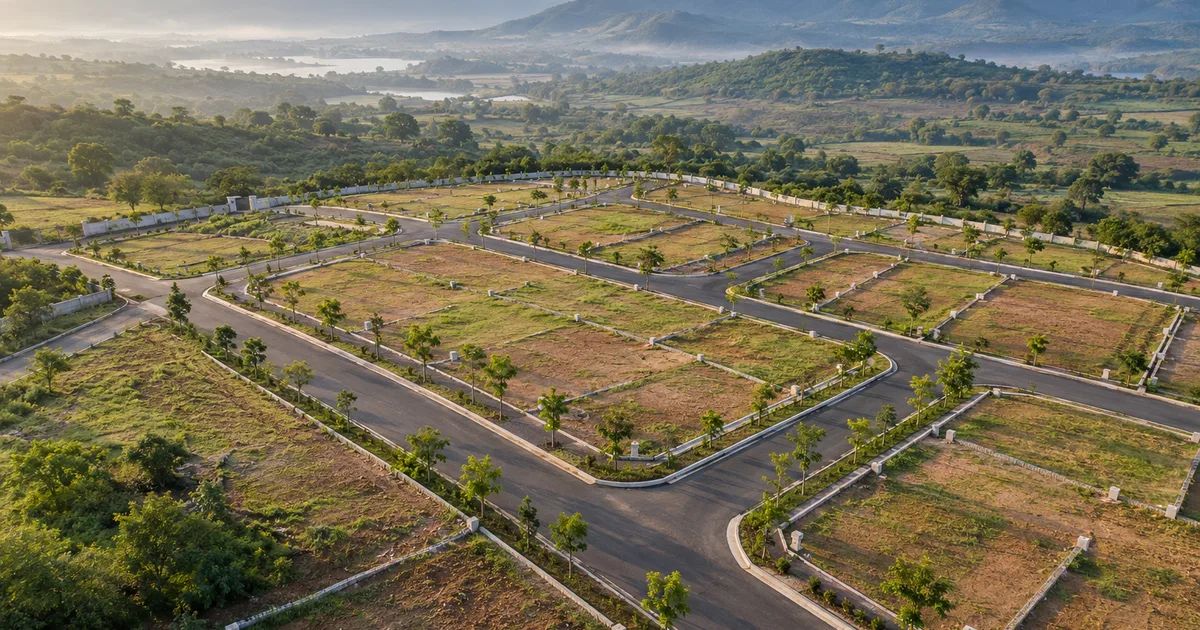
Plots around Pune, in places like Hadapsar–Saswad Road, Khopoli and the wider PMRDA region, attract buyers who want land they can build on later. Land paperwork in Maharashtra is more involved than buying a flat, though, and the rules on non-agricultural (NA) use changed in 2026. This checklist covers what NA plots near Pune are, what changed, and the documents to check before you pay.
What "NA" means
Land in Maharashtra is classified by use. Agricultural land cannot simply be used for housing; its use has to be converted to non-agricultural (NA) use under the Maharashtra Land Revenue Code, 1966. An "NA plot" is land whose use has been converted, or is treated as converted, for residential or other non-farm purposes.
Buying agricultural land that has not been converted, and that you are not legally eligible to buy, can leave you with a plot you cannot build on.
What changed in 2026
For years, converting land to NA use meant a separate application to the Collector. A 2025 amendment to the Land Revenue Code, brought into effect by a government resolution in February 2026, ended the need for separate NA permission in many cases:
- where the intended use is already allowed under the development plan or regional plan for that area, the change of use no longer needs the Collector's separate permission
- a building or development permission from the planning authority is treated as the NA conversion, and the change is recorded in the land records
- instead of the old conversion tax and annual NA tax, a one-time premium is payable, linked to the ready reckoner value
This makes properly planned layouts simpler, but it does not make every plot safe. The plot still has to be in a zone that allows residential use, and the layout still has to be approved. Some categories of land, such as restricted-tenure (Class II) land, have their own rules. Ask a property lawyer how the new rules apply to the plot you are considering.
The document checklist
1. 7/12 extract (satbara) and 8A
The 7/12 extract is the basic land record. It shows the owner, the area, the type of land and any rights or loans recorded against it. Form 8A shows the land holding of the owner.
- You can view the 7/12 online on Mahabhumi Bhulekh for reference.
- For a document you can rely on, get the digitally signed 7/12 and 8A from the Digital Satbara portal, which carry a verification code.
- Check that the seller's name, the survey number and the area match the sale documents, and that the use is shown as NA or the conversion is recorded.
2. Mutation entries (ferfar)
Mutation entries record every change in ownership over time. Read them to see how the seller came to own the land, and look for unresolved disputes, inheritance claims or entries that do not add up.
3. NA order or development permission
For older conversions, ask for the Collector's NA order (sanad). Under the new rules, ask for the building or development permission from the planning authority and the receipt for the premium paid.
4. Approved layout
A plot should be part of a layout approved by the planning authority, which for much of the Pune region is PMRDA. The approved layout shows each plot, the internal roads, open spaces and amenities. Check that your plot number and its size match the approved layout exactly.
5. Zone certificate
A zone certificate confirms what the land can be used for under the development or regional plan. Residential use should be permitted for the plot you are buying.
6. Title search and encumbrance check
Ask a lawyer to run a title search going back about 30 years. This is standard practice rather than a legal rule, and it traces ownership and checks for loans, mortgages or court cases. You can also search registered documents through IGR Maharashtra.
7. MahaRERA registration for plotted projects
Under RERA, developing land into plots for sale is a real estate project. Plotted layouts above the small-project limits (land over 500 square metres, or more than eight units) generally need MahaRERA registration before they are marketed. Our guide on how to check MahaRERA registration shows how to verify it.
Red flags
- "NA" claimed but not shown on the 7/12, with no NA order, development permission or premium receipt.
- No approved layout, or plot numbers and sizes that do not match it.
- Gunthewari or unapproved subdivisions. These are plots carved out without approval. They can be hard to regularise and to get loans or building permission for.
- Fragmentation rule issues. Maharashtra has long restricted transfers of agricultural land below a minimum size, and these rules have recently been eased for some urban and planned areas. Check how they apply with your lawyer.
- Access road only "proposed". The road to your plot should appear on the approved layout and exist on the ground.
- Pressure to pay before documents are shared. A genuine seller can show the 7/12, layout and approvals before you pay a token amount.
Plotted projects we list
Developer-backed projects make NA plots near Pune much easier to buy, because the developer handles the layout approval, conversion and registration. On PROPHUNT you can compare plots in Hadapsar, including SP Treetopia on Hadapsar–Saswad Road, and plots in Khopoli, including Neoliv Grand Forest Prive. See all plotted projects.
Even with a developer project, check the MahaRERA registration, the approved layout and the exact plot you are allotted. And remember that stamp duty and registration apply to plots too, on the higher of the agreement value and the ready reckoner value.
The PROPHUNT view
NA plots near Pune can be a good long-term purchase, but only when the land records, conversion, layout and access are all in order. Treat the documents above as non-negotiable, have a property lawyer review them, and do not pay a token amount until you have seen them. If you want help shortlisting plotted projects, talk to our advisors.
Land law is complex and the 2026 changes are new. This article is general information, not legal advice. Have a property lawyer review the documents for any plot before you buy.
Frequently asked questions
What is an NA plot?
An NA (non-agricultural) plot is land whose use has been converted, or is treated as converted, from agricultural to residential or other non-farm use under the Maharashtra Land Revenue Code.
Is separate NA permission still needed in Maharashtra?
In many cases, no. Since a 2025 amendment took effect in February 2026, land whose intended use is allowed under the development or regional plan does not need the Collector’s separate NA permission, and a building or development permission is treated as the conversion. A one-time premium is payable. Ask a lawyer how this applies to your plot.
Which documents should I check before buying a plot near Pune?
The digitally signed 7/12 extract and 8A, mutation entries, the NA order or development permission and premium receipt, the approved layout, a zone certificate, a 30-year title search and the MahaRERA registration for plotted projects.
Do plotted projects need MahaRERA registration?
Generally yes, when the layout is above the small-project limits of 500 square metres of land or eight units. Check the registration on the official MahaRERA portal before paying.
Projects mentioned in this article
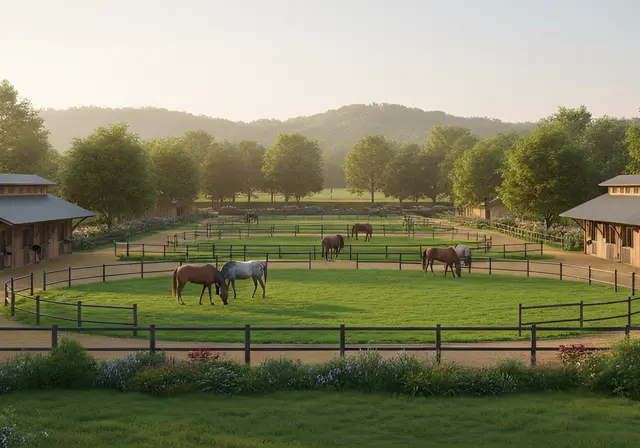 Shapoorji Pallonji Treetopia
Shapoorji Pallonji · Jadhavwadi, Hadapsar–Saswad Rd, Pune
NA Residential Plots · From ₹84 L*
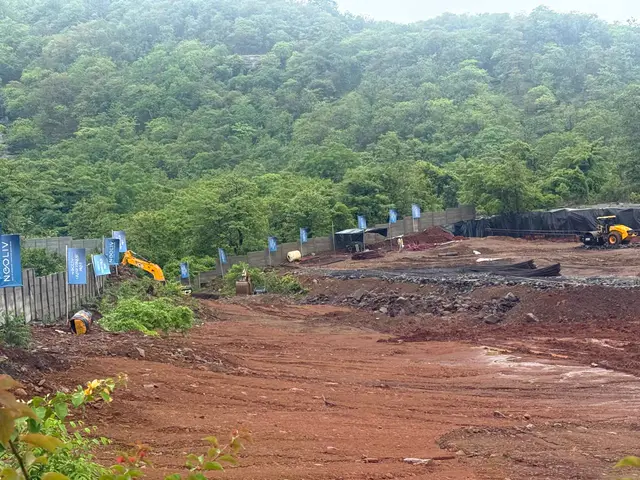 Neoliv Grand Forest Privé
Neoliv · Khopoli, Maharashtra
NA Residential Plots · From ₹95 L*
 Kalpataru Aria
Kalpataru · Karjat, Maharashtra
2 BHK Apartments, Plots & 3 BHK Townhouses · From ₹74 L*